Last updated on : November 25th, 2026 by R Yadav
An image generator may produce impressive artwork in a demo, but the experience can change when you need several images for the same project. You might struggle to achieve the right composition, maintain a consistent visual style, or finish your designs before running out of credits.
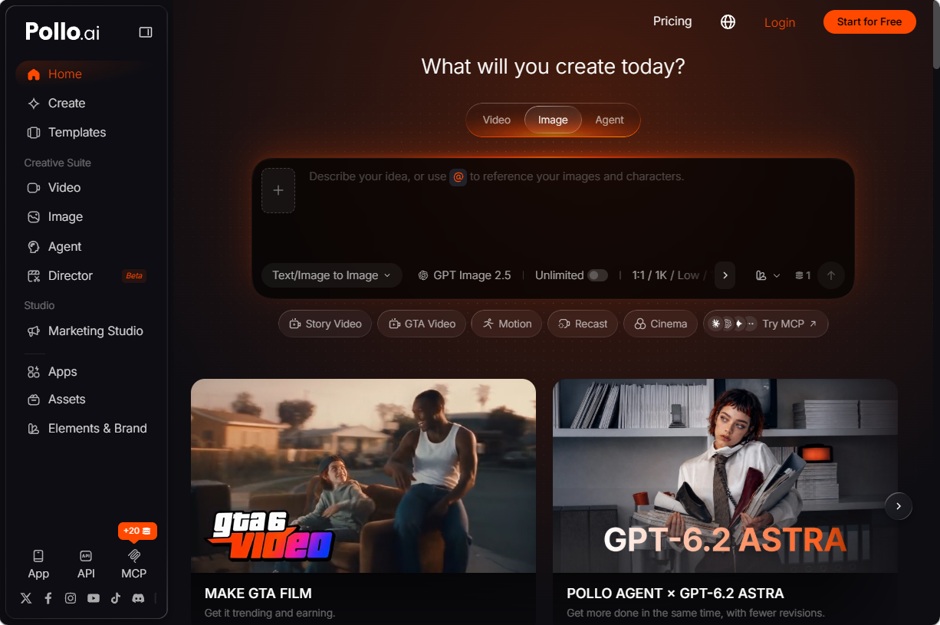
Pollo AI's AI image generator online combines multiple image models with editing tools, giving creators different ways to develop and refine their ideas. However, choosing the right platform requires more than comparing attractive samples. Here are five common limitations to investigate, using a podcast cover and its accompanying social media graphics as a practical example.
Before comparing image generators, decide what you want to create. For a podcast about quiet living and personal reflection, you might need atmospheric illustrations rather than conventional stock-style images.
If you have not chosen a platform yet, Pollo AI's guide to finding an AI image generator with no restrictions offers a starting point for comparing tools with different models, artistic styles, and free access conditions. No platform should be assumed to permit every possible request.
Select a few suitable tools from the guide, including Pollo AI, and test them with the same creative brief:
“A small wooden house beneath an enormous moon, surrounded by rolling hills, muted blue and cream colors, a peaceful illustrated landscape, and empty space at the top for a podcast title.”
Check whether each platform accepts the prompt and follows the intended artistic direction. Keep the platforms and generated images that suit your concept, as you will use them for the remaining four checks.
Accepting a prompt is different from understanding the composition you want. An image generator might produce a beautiful landscape but make the house too large, leaving little room for the podcast title.
With Pollo AI's AI image generator, you can compare available models such as GPT Image, Nano Banana, and Seedream using the same description. Keep the aspect ratio and main creative instructions consistent where possible, then examine how each model handles the house, moon, and surrounding space.
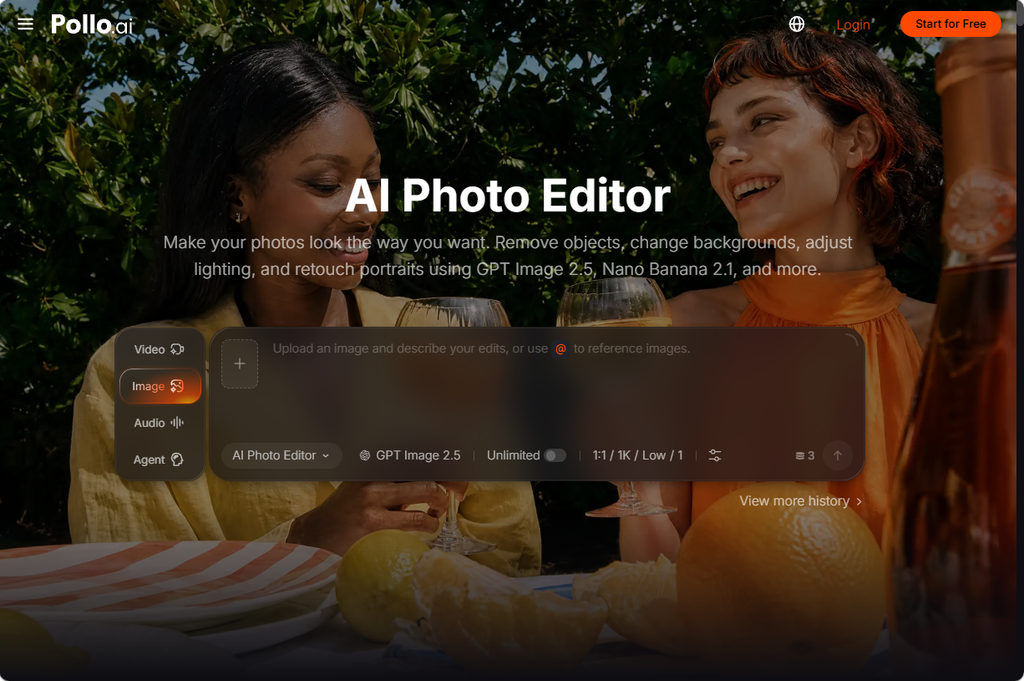
Once you find a suitable composition, consider whether you can refine individual details. For example, if the moon looks right but the foreground is too busy, take the selected image into AI photo editor by Pollo AI and request a simpler foreground.
Compare the edited image with the original. A useful creative platform should give you ways to improve an existing design without unnecessarily rebuilding every part of it.
A single podcast cover may be affordable to create, but the project becomes more demanding when you also need promotional images for upcoming episodes.
Pollo AI offers free starter credits that allow new users to experiment with image generation. The number of images you can create depends on the models and settings you choose.
Use the cover created in the previous section to estimate your actual creative costs. Record how many attempts you needed to find a suitable composition, how many revisions were required, and how many credits the process consumed.
Then estimate the resources needed to produce two accompanying social media graphics. Check the available credit balance before generating them.
Apply the same method to the other shortlisted platforms. A tool with lower generation costs may not necessarily offer better value if you need significantly more attempts to achieve a usable design.
Before creating the remaining graphics, make sure the approved podcast cover can be downloaded and used as intended.
Pollo AI supports common image formats such as PNG, JPEG, and WebP. Check the available export options and inspect the downloaded cover at the size required by your podcast publishing platform.
Pay attention to small details that may be difficult to see in the generation preview. The landscape should remain recognizable, the title area should provide sufficient contrast, and the image should not contain unwanted artifacts.
Commercial usage is another consideration. Pollo AI requires a paid subscription for commercial use of generated images. Other platforms may have different licensing conditions, so confirm these before publishing sponsored podcast content or delivering designs to a client.
If you are working with unpublished branding or confidential reference images, also review the platform's privacy and data-handling conditions before uploading those materials.
A good podcast cover establishes a visual identity, but maintaining that identity across several promotional graphics is a different challenge.
Take the approved cover and use it as a reference in Pollo AI's image to image tool. Create a square graphic for an upcoming episode and a vertical image for an Instagram Story, retaining the illustrated landscape, muted colors, and peaceful atmosphere.
You can introduce a different visual element for each episode, such as a winding path or a lakeside cabin, while keeping the overall artistic direction recognizable.
Place the three images side by side and review their color palettes, illustration styles, proportions, and available space for text. Adjust individual images where necessary instead of assuming that using the same reference will guarantee perfect consistency.
Repeat this exercise with your other shortlisted tools. The results will help you determine which platform supports not just individual image generation, but also the development of a recognizable visual identity across multiple assets.
Choosing an unrestricted image generator involves more than checking which prompts it accepts. Creative control, revision costs, download conditions, usage rights, and visual consistency all influence whether a platform fits your needs.
Pollo AI's AI image generator, multiple image models, and editing tools offer a connected approach to developing individual images and related visual assets. Try creating a small collection of designs, evaluate the complete process, and choose the platform that delivers the most practical results for your project.