Last updated on : October 7th, 2026 by R Yadav
Commercial metal projects rarely succeed through material choice alone. Performance depends on how well a material suits its purpose, environment, fabrication process, and long-term operating conditions.
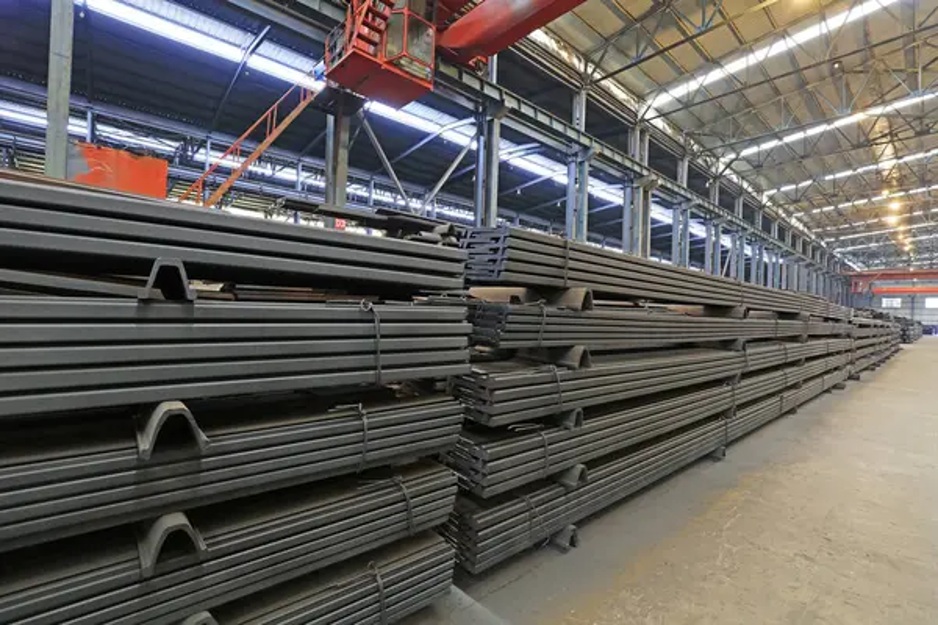
Steel tubing is widely used across construction, manufacturing, engineering, transport, furniture production, and industrial equipment because it can provide strength while remaining relatively practical to fabricate.
Selecting tubing, however, requires more than choosing a convenient size. Businesses can avoid unnecessary cost and future maintenance problems by considering several technical and practical factors before ordering material.
The first consideration should always be how the material will actually be used. Tubing intended for a structural frame may face very different demands from material used for shelving, machine guards, railings, or decorative installations.
Load-bearing applications normally require closer attention to strength, wall thickness, joint design, and relevant engineering requirements. In lighter commercial fabrication, ease of cutting, welding, and installation may matter more.
Defining the intended function before purchasing reduces the risk of choosing material that is either inadequate or unnecessarily heavy for the job.
Commercial tubing is available in several common profiles, including round, square, and rectangular forms. Each shape offers practical advantages.
Round tubing is often suitable for applications involving rotational forces, handrails, or fluid movement. Square tubing can be convenient for frames because its flat surfaces simplify joining and alignment. Rectangular sections are useful where strength is required more strongly in one direction than another.
Dimensions also matter. Outside width, diameter, wall thickness, and overall length can all influence strength, weight, fabrication time, and material cost.
Environmental conditions can significantly affect metal performance. A tube used inside a dry warehouse will face different challenges from one installed outdoors, near chemicals, or in a humid industrial environment.
Exposure to moisture may increase corrosion concerns, while high temperatures can influence material behaviour and coating choices. Commercial buyers should therefore consider whether protective finishes, specialised grades, painting, galvanising, or other forms of surface treatment may be necessary.
Planning for the environment early is usually more economical than correcting corrosion or deterioration later.
Price per metre should not be the only purchasing consideration. Transportation, cutting, finishing, installation, maintenance, and replacement can all affect the true cost of a project.
Commercial buyers often source several types of metal for the same fabrication programme. A company might obtain tubing for frames while choosing to buy aluminum sheet metal online for lightweight covers, enclosures, panels, or non-structural components.
Comparing materials according to their intended roles can therefore produce better value than simply choosing whichever option has the lowest initial price.
The best material on paper can become inconvenient if it does not suit the workshop processes available.
Before ordering, consider how the tubing will be cut, drilled, bent, welded, or fastened. Different wall thicknesses and grades may require different equipment or fabrication techniques. Joint design also deserves attention because poorly planned connections can weaken an otherwise sound structure.
Businesses that outsource fabrication should confirm dimensions, tolerances, and joining requirements with their fabricator before finalising material orders.
Strength requirements vary considerably between commercial projects. A lightweight display frame does not need the same capacity as a warehouse platform or industrial support structure.
When steel tubing is used in applications involving significant loads, material grade, profile size, wall thickness, span, connection design, and support positions should all be evaluated carefully.
For critical structural work, assumptions based solely on appearance or previous projects can create unnecessary risk. Engineering calculations and applicable standards should guide decisions where safety or substantial loading is involved.
Consistency becomes particularly important when a project involves repeated fabrication or multiple production runs. Small differences in dimensions, wall thickness, finish, or grade can create alignment problems and increase workshop time.
Purchase orders should therefore describe materials clearly. Useful information may include profile shape, dimensions, wall thickness, grade, length, surface condition, and tolerance requirements.
Keeping reliable records also makes future purchasing easier, especially when replacement components or additional production batches are required months later.
Effective commercial metal use begins with matching the material to the realities of the project. Shape, dimensions, environment, fabrication processes, structural demands, and long-term cost all deserve consideration before an order is placed.
By defining specifications carefully and thinking beyond the purchase price, businesses can reduce waste, simplify fabrication, and create metal components that perform reliably throughout their intended service life.
Read Next: 7 Canadian Employment Law Tips Every Employer Should Know