Last updated on : October 7th, 2026 by R Yadav
Moving a family over a long distance is rarely as simple as putting possessions into boxes and transporting them to another address.
There are school schedules to consider, travel arrangements to organise, important documents to protect, and everyday routines that still need to continue while the household is being packed.
A well-organised approach can make the process considerably more manageable. Rather than treating the move as one enormous task, families can divide it into smaller stages and deal with each one systematically.
Long-distance moves contain more variables than local relocations, so early preparation is particularly valuable. Create a timeline several weeks before moving day and list the major tasks that need to be completed.
These may include booking transport, notifying schools, transferring utilities, organising travel, packing belongings, and updating addresses.
Working gradually also prevents important decisions from becoming last-minute emergencies.
There is little benefit in paying to transport belongings your family no longer uses. Before packing, work through each room and separate possessions into four broad categories: keep, donate, sell, and discard. Clothing that no longer fits, unused toys, duplicate household items, and forgotten storage-box contents are sensible places to begin.
Reducing the overall volume makes packing easier and can simplify unpacking at the new property.
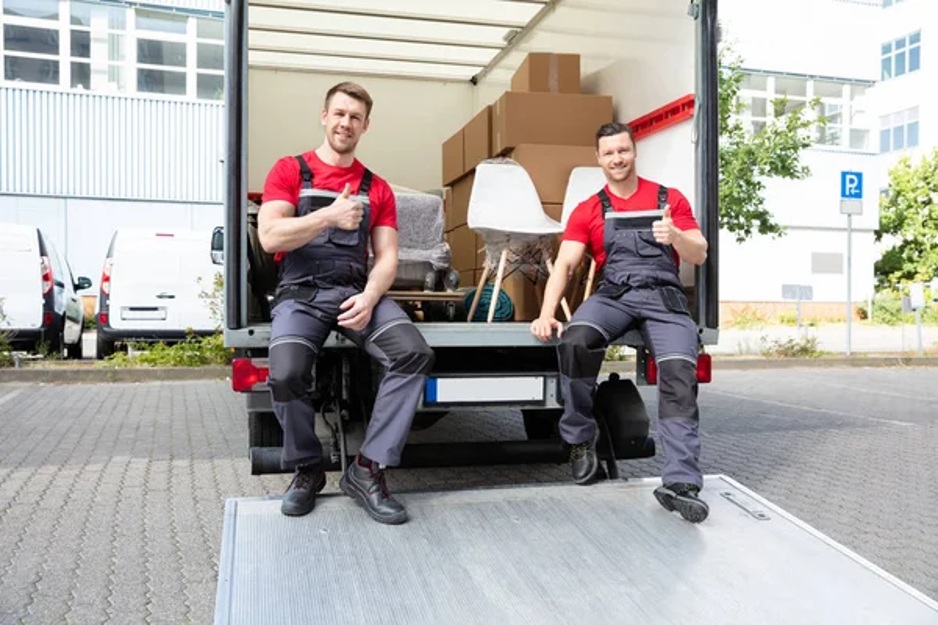
Not every mover provides the same level of service, particularly when long distances are involved. Compare companies according to experience, available services, insurance arrangements, customer feedback, and the clarity of their estimates.
Families relocating within or from Manitoba, for example, may research movers Winnipeg while comparing providers familiar with long-distance routes and household relocations.
Ask what the quotation includes before making a decision. Packing, storage, additional stops, difficult property access, or unusually large items may affect the final cost.
Transport is only one part of a relocation budget. Families may also need to pay for packing materials, fuel, temporary accommodation, meals while travelling, storage, cleaning, childcare, or pet arrangements.
Create a realistic budget and include a contingency amount for unexpected expenses. Even a carefully organised move can produce costs that were difficult to anticipate at the beginning.
A clear labelling system saves considerable time once boxes begin arriving at the new home. Mark each box with its destination room and a brief description of its contents. Families can also number boxes and maintain a simple inventory.
Older children can label and organise some of their own belongings. Giving them responsibility for manageable tasks can make the relocation feel more structured and less disruptive.
Certain belongings should not disappear into the main shipment. Prepare an essentials bag containing identification documents, medicines, chargers, toiletries, spare clothing, basic snacks, children's comfort items, and anything required during the journey.
It is also sensible to keep important paperwork, valuable jewellery, keys, and irreplaceable personal items under your direct control.
Adults often concentrate on logistics, while children may be thinking about friends, school, their bedroom, or the unfamiliar neighbourhood ahead.
Talk about the move well before departure. Explain what will change and what will remain familiar.
Allowing children to choose something about their new room or pack a personal travel bag can give them a small but meaningful sense of involvement.
A few days before departure, review the arrangements rather than assuming everything is settled.
Confirm the collection time, destination address, contact numbers, payment arrangements, and any access restrictions with the moving company. Check whether parking needs to be reserved or whether lifts, loading areas, or building access have particular rules.
Catching a small misunderstanding beforehand is much easier than solving it while a loaded vehicle is waiting outside.
If the family is driving a considerable distance, plan the journey as carefully as the move itself.
Map sensible rest stops, book overnight accommodation when necessary, and think about meals, medicines, pets, and children's entertainment.
Avoid designing an unnecessarily demanding schedule. Arriving slightly later but rested is often preferable to completing a long journey under avoidable pressure.
You do not need to unpack the entire house immediately.
Start with the rooms and belongings that restore normal family life: beds, bathroom essentials, basic kitchen equipment, children's necessities, and everyday clothing.
Preparing sleeping spaces first can make an unfamiliar property feel considerably more comfortable after a tiring journey.
A successful long-distance family move depends less on rushing and more on preparation. Early planning, sensible packing, careful budgeting, clear communication, and a realistic travel plan can prevent many common complications.
When each stage is handled separately, relocation becomes easier to control. The objective is not simply to move possessions from one property to another, but to help the entire family begin life in its new home with as little disruption as possible.
Read Next: 7 Practical Tips for Choosing and Using Steel Tubing in Commercial Projects